
Applying to college or graduate school is a big process, but breaking it down into clear steps makes it manageable. Success comes from early planning, organization, attention to detail, and meeting deadlines. Requirements vary by school, so always check official websites. Here’s an updated, practical guide for the 2026–2027 application cycle.
Step 1: Start Research Early
Begin exploring colleges in sophomore or junior year of high school (or earlier for graduate applicants). Attend college fairs, use tools like the Common App, College Board’s BigFuture, or Naviance, and visit campuses (in-person or virtually). Build a balanced list: 2–3 reach schools, 3–5 match schools, and 2–3 safety schools. Focus on fit — academics, campus culture, location, cost, and opportunities.
Step 2: Standardized Testing (If Needed)
Many colleges remain test-optional or test-blind, but some still require or strongly recommend SAT/ACT scores. Check each school’s policy early. If submitting scores, prepare well and aim to test in junior year (or early senior year) to allow time for retakes. International students usually need English proficiency tests (TOEFL, IELTS, or Duolingo English Test).
Step 3: Build Your Final Application List
Narrow your choices to 6–12 schools that genuinely excite you. Applying to too few limits options; too many can dilute your effort and increase costs (fees typically $50–$90 per application, often waived for financial need). Prioritize fit over prestige. For help deciding, see our guide on choosing the right college.
Step 4: Gather Required Materials
Review each school’s requirements carefully. Common items include:
- Official transcripts
- 1–3 letters of recommendation (teachers/counselors)
- Personal statement and supplemental essays
- Activities list or resume
- Portfolios, auditions, or interviews (for arts, music, etc.)
Step 5: Submit Applications
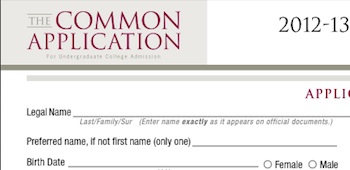
Undergraduates typically use the Common Application, Coalition with Scoir, or school-specific portals. Graduate programs often have centralized systems. Pay close attention to deadlines:
- Early Action / Early Decision: Usually November 1
- Regular Decision: January–March
- Rolling Admission: Apply as soon as possible
Step 6: Apply for Financial Aid
Complete the FAFSA as soon as it opens (usually October 1) at studentaid.gov. Many schools also require the CSS Profile. Meet all institutional and state deadlines — aid is often limited.
Step 7: Await Decisions
Early decisions arrive in December–January; regular decisions typically come in March–April. Check email and application portals regularly.
Step 8: Compare Offers & Make Your Choice
Review acceptance letters, financial aid packages, and campus fit. The National Candidates Reply Date is usually **May 1** for most schools — submit your deposit by then to secure your spot.
Step 9: Prepare for Enrollment
Complete housing applications, submit final transcripts, register for orientation, take placement tests, arrange health forms, and shop for dorm essentials. Celebrate — your college journey is beginning!
Final Tips for Success
- Stay organized with a spreadsheet tracking deadlines and requirements.
- Proofread everything carefully (or have others review).
- Be authentic in your essays — admissions officers value genuine stories.
- Reach out to admissions offices with questions — they want to help.
With planning and effort, the application process can be rewarding rather than stressful. Boston-area colleges offer incredible opportunities — take the time to find the right fit for you.
Last updated: July 2026. Deadlines and policies can change — always verify on each school’s official website.